7 Things Your Miami HVAC Technician Wishes You Knew
Published: 2026-06-18 · By ColdUrbano AC Repairs
Living in Miami means dealing with sweltering humidity, especially during peak summer months. Imagine coming home after a long day, only to find your AC unit struggling to maintain a comfortable temperature. As you sweat it out, you might think about calling a repair service, but did you ever consider what your HVAC technician wishes you knew before that phone call? Understanding a few key insights can significantly enhance your interaction with these professionals and help you get your cooling system back in shape faster—and potentially save you money.
Why This Matters for Miami Homeowners
Miami's tropical climate is a double-edged sword for homeowners. While the sea breeze is refreshing, the high humidity levels, salt air, and the threat of tropical storms create challenges for HVAC systems. Many units fall victim to corrosion due to the ocean’s constant assault, often leaving homeowners caught off guard by unexpected breakdowns. Understanding these elements enhances communication with your technician and streamlines the repair process.
The local building context is equally essential; elevated homes and moisture barriers are standard in Florida. When HVAC issues arise, recognizing the impact of your property’s structure can lead to more effective and lasting repairs. A small oversight can become a larger headache, especially if moisture issues are ignored.
Taking proactive steps as a homeowner can significantly impact your comfort level during Miami's humid months, and being informed will help your HVAC technician provide you with the best solutions quickly.
Expert Solutions & Actionable Tips
1. Regular Maintenance is Crucial
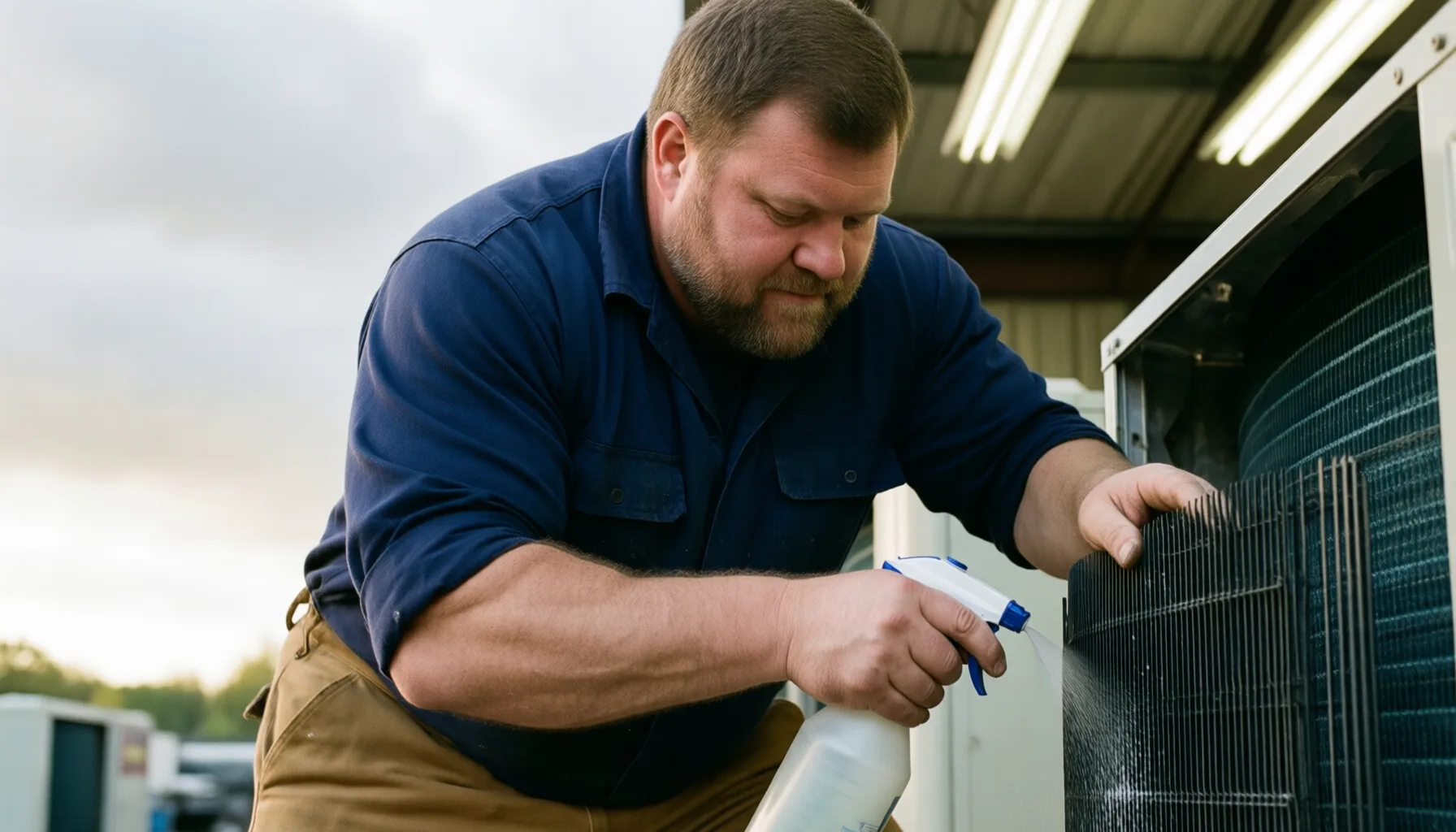
In Miami, humidity can wreak havoc on cooling systems. Schedule annual maintenance checks to ensure the smooth operation of your unit. A technician can clean coils, replace filters, and check refrigerant levels for around $100 to $150 per visit.
This preemptive measure can extend the lifespan of your unit and potentially save you from expensive repairs later on, especially in the face of corrosive salt air.
2. Understanding Thermostat Settings
Many homeowners aren’t aware that adjusting the thermostat too drastically can strain your HVAC system. Set your temperature reasonably—between 72 and 76 degrees is optimal for comfort in Miami’s heat.
When you set it too low, your unit will work harder, leading to increased energy bills, and could result in overheating or breakdowns during peak usage.
3. Keep Outdoor Units Clear
Maintaining a clear area around your outdoor unit is vital for efficiency. Vegetation, debris, or any items blocking airflow can cause your system to work harder, leading to dysfunction.
Periodically check and clear debris, especially after storms, to ensure maximum airflow. This little task can prevent up to 15% of energy wastage, saving you money on your electric bill.
4. Know When to Upgrade
In humid climates like Miami, the life expectancy of an HVAC system is around 10 to 15 years. If your unit frequently breaks down, it might be time to consider an upgrade.
Newer models are more energy-efficient, potentially saving you upwards of 30% on cooling costs. Don’t wait until your unit fails entirely; assess its performance regularly.
5. Be Prepared for Seasonal Changes
As Miami's seasons shift, so should your HVAC readiness. Tropical storms and hurricanes can lead to power outages, so invest in a generator if feasible.
This preparation ensures you keep your cooling system running during outages, safeguarding against humidity-related damage.
6. Emergency Readiness
In Miami, HVAC emergencies can happen without warning. Familiarize yourself with your system and create a plan for swift action if issues arise. Know where your main power shut-off is located and have the contact information for ColdUrbano AC Repairs readily available.
Being prepared reduces stress and ensures quicker responses to keep you comfortable when the heat is on.
Miami Climate & Local Context
Miami’s climate significantly influences housing designs and construction practices. Elevated homes help mitigate water damage during heavy rains, while moisture barriers are essential for preventing rot and mold. These characteristics necessitate unique considerations for HVAC installations and repairs.
Local building codes also emphasize the need for proper ventilation systems that can withstand high humidity levels, necessitating skilled technicians who understand these regulations. Homeowners should ensure their HVAC systems comply with local standards, especially after any major repairs or replacements.
Being aware of these aspects can streamline how you approach repairs and upgrades, impacting your overall comfort and indoor air quality.
When to Call a Professional
While some minor HVAC tasks can be handled by DIY enthusiasts, knowing when to call a professional is crucial. Certain issues—like refrigerant leaks or electrical failures—require specialized knowledge and tools to address safely.
Here are red flags that signal it's time to seek professional help:
- Unusual noises or vibrations from your unit
- Increased energy bills with no explanation
- Persistent humidity or temperature issues
- Short cycling of the HVAC system
- Burning smells coming from the unit
- Age of the system nearing or surpassing its expected lifespan
When these signs are present, reaching out to ColdUrbano AC Repairs can save you from further problems down the road.
Frequently Asked Questions
What common HVAC issues do Miami homeowners face?
Miami homeowners often deal with corrosion from salt air, clogging issues from vegetation, and frequent breakdowns due to high humidity levels. Regular maintenance is essential to mitigate these issues.
When should I consider replacing my HVAC system?
If your unit is older than its expected lifespan, regularly requires repairs, or has significantly decreased efficiency, it’s time to consider replacement for better performance and energy savings.
How can I prepare my HVAC system for a hurricane?
Secure your outdoor unit, trim any surrounding foliage, and consider investing in a generator to maintain cooling during power outages caused by tropical storms or hurricanes.
What are the signs my air conditioner needs repair?
Signs include unusual noises, rising energy bills, warm air blowing from vents, and frequent system cycling. If these occur, contact your HVAC technician immediately.
How often should I service my HVAC unit?
For optimal performance, service your HVAC unit at least once a year. In rapid response to Miami’s climate, consider semi-annual checks to ensure efficiency and longevity.
Get Expert HVAC Service in Miami
Facing HVAC challenges in Miami can be daunting, but ColdUrbano AC Repairs is here to help. Don’t let the tropical heat get you down—give us a call at (786) 982-6918 for expert service and quick solutions that keep your home comfortable.
Trust our team to handle your AC needs, ensuring you stay cool even when the Miami sun is blazing.