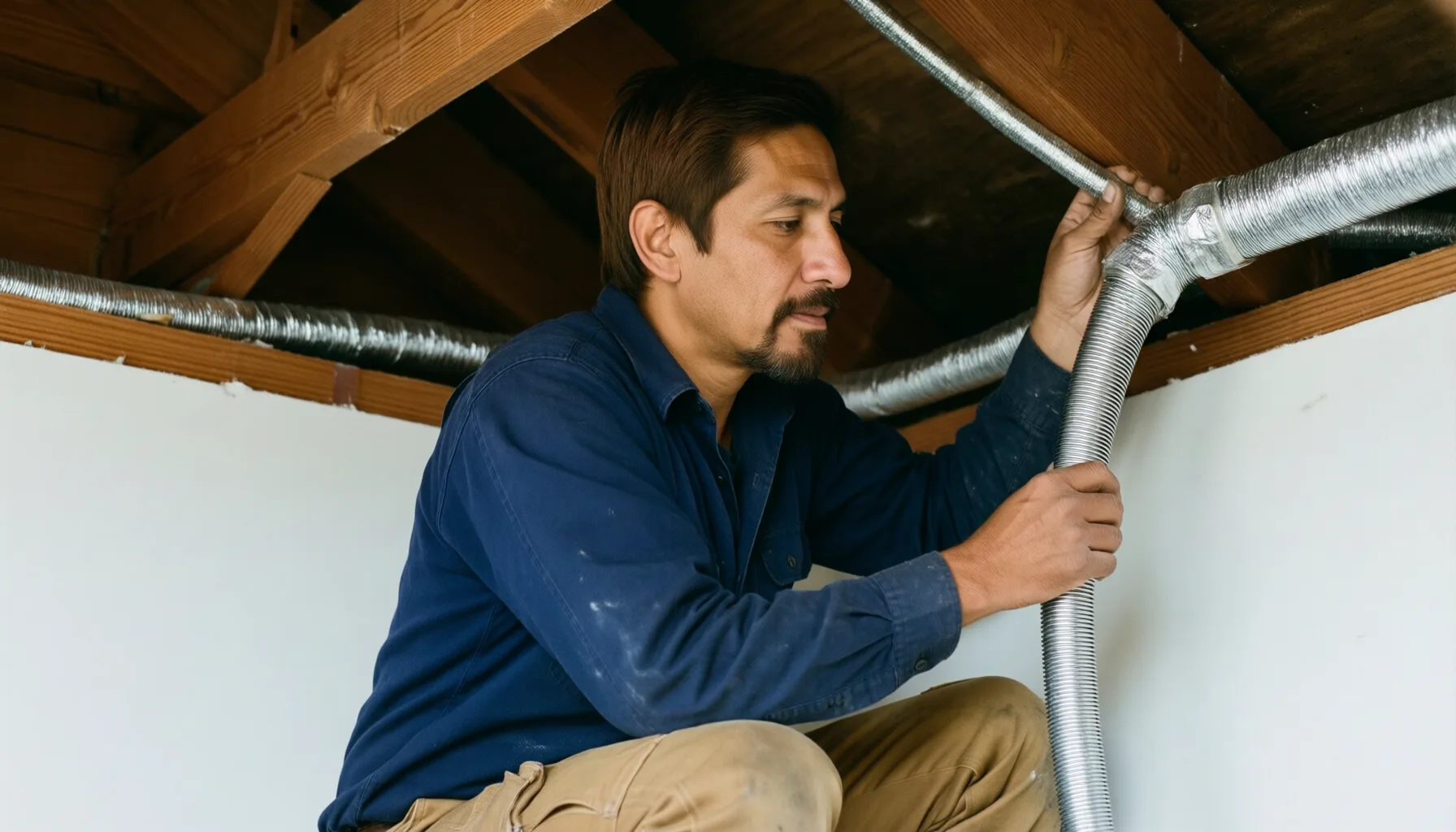
What to Do When Your HVAC System Breaks During a Miami Spring Storm
Published: 2026-06-18 · By ColdUrbano AC Repairs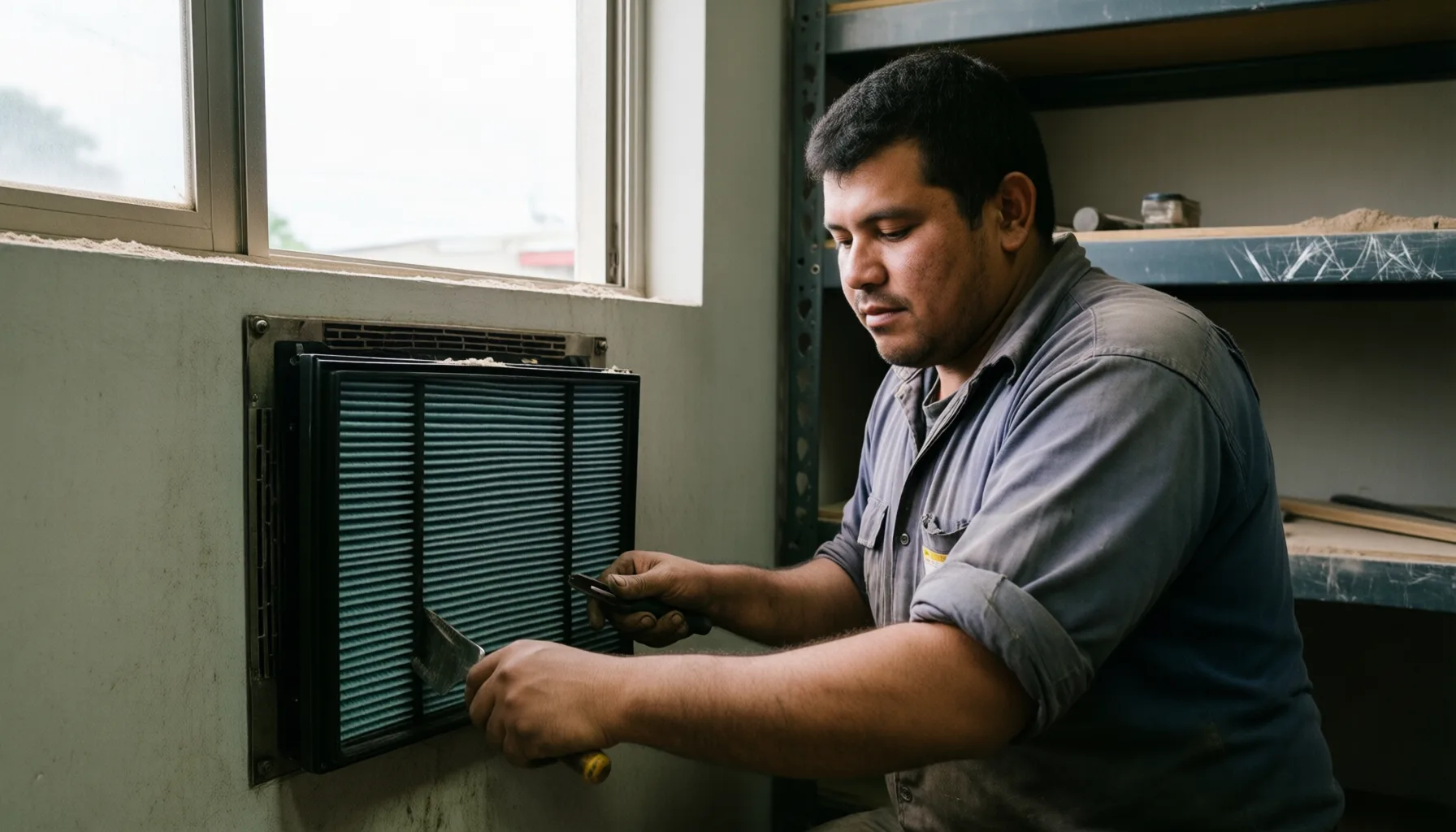
Spring in Miami can be unpredictable, especially with tropical storms brewing on the horizon. Picture this: heavy rain causes humidity levels to soar, and suddenly, your HVAC system malfunctions, leaving you in a humid, uncomfortable home. This scenario is all too familiar for many Miami homeowners, particularly during the unpredictable spring months when the heat and moisture converge. Knowing how to respond when your air conditioning unit fails can make a significant difference in your comfort during these critical periods.
Why This Matters for Miami Homeowners
For Miami homeowners, the combination of high humidity and salt air presents a unique set of challenges for HVAC systems. Homes exposed to these environmental conditions face an increased risk of corrosion and mechanical failure. When your air conditioning system breaks during a storm, the concern escalates, leading to potential damage from excess moisture in your home.
Additionally, failing to address an HVAC issue immediately can result in higher repair costs and prolonged discomfort. The local climate demands that residents stay proactive with their HVAC maintenance, especially as spring storms frequently bring rain and humidity. Understanding how your HVAC operates in these conditions can be the difference between a minor fix and a significant financial outlay.
Knowing the indicators of HVAC failure can also save you from a crisis. Homeowners should be aware that neglecting maintenance in a region like Miami can lead to heightened wear and tear on your system, increasing the likelihood of unexpected breakdowns during the most inconvenient times.
Expert Solutions & Actionable Tips
1. Regular Maintenance is Key
For Miami homeowners, routine HVAC maintenance is essential to ensuring your system runs efficiently, especially before the stormy seasons. Regular tune-ups typically cost between $75 and $150 and help prevent larger repairs down the road.
A technician will clean coils, check refrigerant levels, and ensure that your unit is functioning correctly. By investing in regular maintenance, you can significantly reduce the chances of encountering an HVAC crisis during a spring storm.
2. Recognize Signs of Trouble
Being aware of your HVAC system's performance helps you identify when something isn't right. Unusual noises, warm air blowing from your vents, or increased energy bills can all signal impending failure. Addressing these signs proactively can save you from total system breakdown.
If you notice any of these issues, consider reaching out for a diagnosis rather than waiting until it’s too late. In some cases, minor repairs can cost you anywhere from $100 to $500, but delays can lead to larger expenses.
3. Emergency Services
When storms hit, so do HVAC emergencies. It's vital to know which local providers offer emergency services around the clock. ColdUrbano AC Repairs, for example, provides emergency AC repair services, ensuring you aren't left in discomfort for long.
Typically, emergency repair services can cost significantly more than regular repairs, often starting at around $150 and escalating depending on the needed work. Always confirm availability before the storm hits!
4. Protect Your Unit from Flood Risk
Flooding can be a significant concern during Miami's stormy seasons. Elevating your HVAC unit or adding drainage systems can protect it from water damage. Costs for elevating a unit can vary, but homeowners can expect to invest between $800 and $1,500 depending on the elevation necessary.
Implementing these measures not only protects your investment but can enhance the longevity of your air conditioning system amidst rising water levels.
5. Consider Smart Thermostats
Upgrading to a smart thermostat can be a game changer for functionality during storms. Smart systems can be programmed and controlled from your smartphone, allowing you to make quick adjustments based on changing weather conditions.
Investments in smart technology typically range from $100 to $300, but the convenience and energy savings can be worth it, especially when facing unexpected weather shifts.
6. Understand Your Insurance Coverage
Understanding how your homeowner’s insurance responds to HVAC damage can help ease financial stress after a storm. Many policies cover damage due to flooding, making it important to check the fine print.
Contacting your insurance agent beforehand can clarify what is covered, and filing promptly after a storm can accelerate any needed repairs.
Miami Climate & Local Context
Miami's tropical climate poses a specific set of challenges for homeowners, making diligent maintenance of HVAC systems non-negotiable. The combination of salty air from the ocean and high humidity can rapidly accelerate rust and corrosion in metal components. Many homes in the area feature elevated designs, but moisture barriers can still be compromised, calling for consistent system evaluations.
Selecting HVAC systems and components that are rust-resistant is essential for longevity in Miami's environment. Understanding local building codes will also aid in compliance when repairs or replacements are needed. Familiarizing yourself with these aspects can help avoid fines or additional costs when undertaking HVAC work.
Being mindful of local permit requirements can ensure that your HVAC installation or repairs are up to code, further safeguarding your home's value in the vibrant Miami market.
When to Call a Professional
While some issues can be solved with a DIY approach, knowing when to call a professional is crucial for effective HVAC management. Basic tasks, such as changing filters or cleaning vents, are manageable for homeowners. However, many situations require the expertise of a trained technician to prevent safety issues or costly mistakes.
- Unusual noises coming from the unit
- Warm air blowing from vents
- Water pooling around the unit
- Foul odors emitting from the system
- Frequent system cycling on and off
- Higher than normal electric bills
- Error codes flashing on the unit
Any of these discrepancies shouldn’t be ignored; addressing these concerns early can save homeowners from significant headaches and expenses.
Frequently Asked Questions
What should I do if my AC stops working during a storm?
If your AC fails during a storm, turn it off to prevent further damage, and call ColdUrbano AC Repairs for a prompt assessment.
How can I prevent corrosion in my HVAC system?
Regular inspections and using corrosion-resistant materials can greatly reduce the risk of damage from salt air in Miami.
Is it worth investing in an HVAC maintenance plan?
Yes, a maintenance plan often pays for itself by preventing costly repairs and ensuring your system operates efficiently year-round.
Can I install an HVAC system myself?
Given Miami's specific permitting and code requirements, it's best to hire a professional to ensure proper installation and compliance.
What are the signs my HVAC system needs immediate attention?
Signs include strange noises, humidity increases indoors, and noticeable drops in cooling efficiency. Don’t hesitate to call a professional.
Get Expert HVAC Service in Miami
Don't let an HVAC breakdown leave you sweltering during a Miami spring storm. For immediate assistance, reach out to ColdUrbano AC Repairs at (786) 982-6918. Our experts are ready to help you restore comfort quickly.
Stay ahead of the storm—contact ColdUrbano AC Repairs today and ensure your HVAC system is prepared to handle whatever spring throws your way.