HVAC Safety Tips Every Miami Homeowner Should Know
Published: 2026-06-18 · By ColdUrbano AC Repairs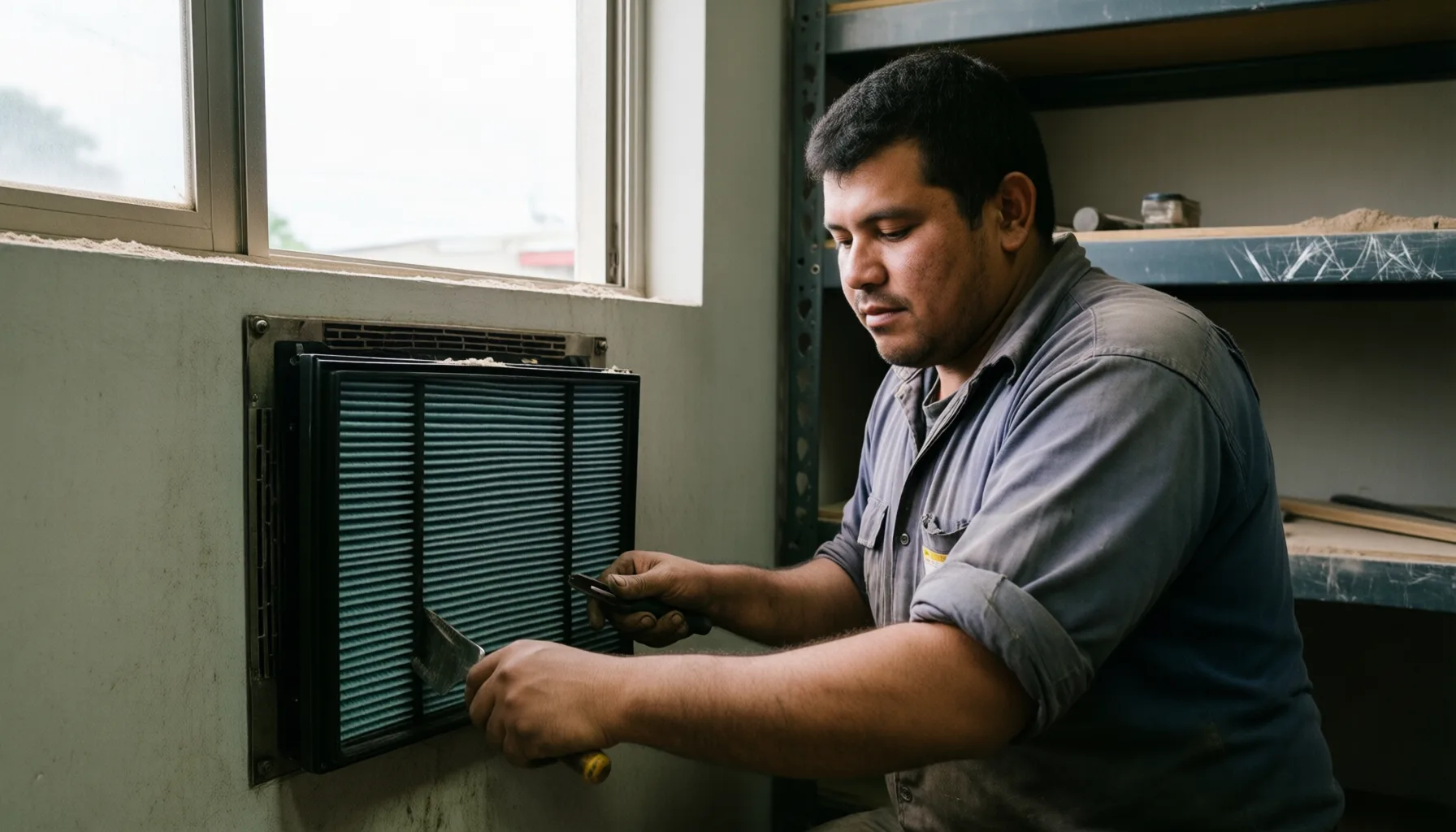
As a Miami homeowner, the moment humidity creeps into your living room and sweat beads form on your forehead, you know it’s time to assess your HVAC system. The distinct blend of salt air and tropical storms in Miami can lead to specific HVAC challenges that many homeowners might not be prepared for. From corrosion of your system’s components to the need for regular maintenance, ensuring comfort and safety isn't just about beating the heat; it’s about protecting your investment.
Why This Matters for Miami Homeowners
Living in Miami, homeowners face unique challenges due to the local environment. High humidity and salt air erosion can lead to premature wear on HVAC systems, causing inefficiencies and sometimes complete failures right when you need them most. This is particularly problematic during the summer months and hurricane season, when reliable air conditioning becomes essential for comfort and safety.
Additionally, improper installation or lack of maintenance can escalate issues, causing expensive repairs that could have been avoided. In regions prone to tropical storms, even the best systems can struggle without vigilant upkeep. Therefore, understanding the factors that affect your HVAC system is crucial for maintaining a comfortable home.
Expert Solutions & Actionable Tips
1. Regular Maintenance is Key
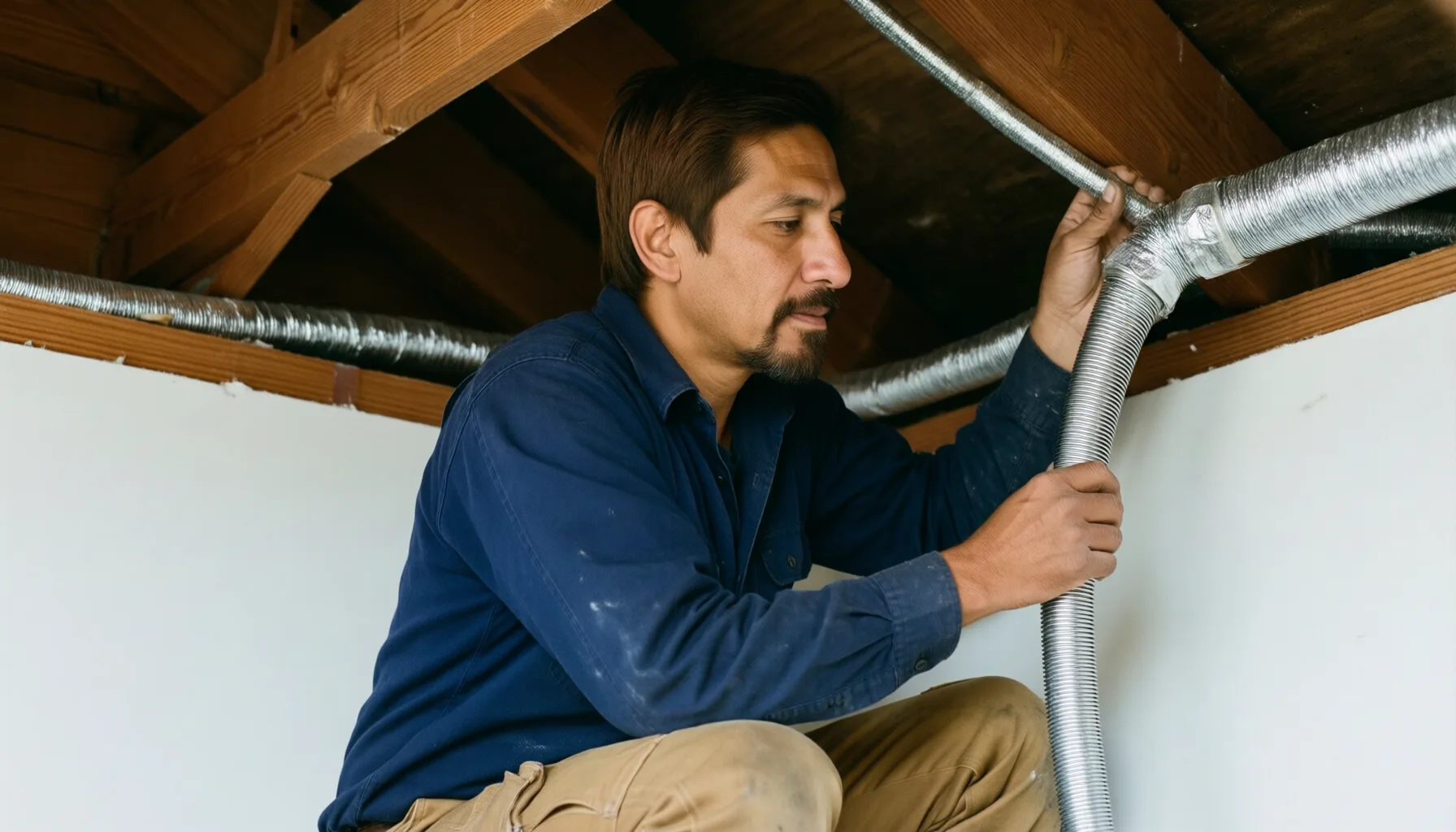
Investing in bi-annual HVAC maintenance can save you from costly repairs down the line. In Miami, routine check-ups generally range from $100 to $200, depending on the service provider. These inspections help catch potential issues early, ensuring your system is running efficiently, especially before the sweltering summer months.
During maintenance, technicians will typically clean the coils, check refrigerant levels, and inspect the overall system for wear. Scheduling these services in early spring can help prepare your system before the high demand of Miami’s heat.
2. Choose the Right Filters
In areas with high humidity like Miami, using high-efficiency particulate air (HEPA) filters can dramatically improve the air quality in your home. These filters can range from $20 to $60, depending on their size and specifications.
Installing HEPA filters can assist in removing mold spores and dust, which are prevalent in humid environments, ensuring the air you breathe remains clean. These filters should be replaced every 1-3 months for optimal performance, particularly in peak humidity seasons.
3. Corrosion Protection
The salty air in Miami can lead to corrosion of metal components of HVAC systems. Consider investing in corrosion-resistant materials when replacing parts. Though these materials may initially cost more—typically around 10-20% above standard options—they can substantially extend the lifespan of your system.
Another preventive measure is periodically rinsing exposed parts with fresh water to wash away salt deposits, which can significantly reduce the chances of corrosion developing.
4. Humidity Control
Controlling indoor humidity is crucial in Florida's climate. A good dehumidifier can cost anywhere from $200 to $600 for a unit suitable for a typical home. This investment helps to lower humidity levels, improving both comfort and the HVAC's efficiency.
Setting your air conditioner to a temperature of around 75 degrees while maintaining low humidity levels can alleviate excessive strain on your system. Additionally, ensuring proper ventilation will further help maintain a comfortable atmosphere.
5. Understand Local Codes
Miami has specific local codes that govern HVAC installations, often aiming to promote energy efficiency and safety. Homeowners may face fines for ignoring these codes, so it’s vital to be informed. Installing a new system could range from $3,000 to $7,000, based on the size and type, but ensuring compliance with local codes is essential.
When upgrading, it’s wise to consult local regulations or work with a certified HVAC professional who can navigate these requirements effectively, ensuring peace of mind.
6. Timing Your Installation
Timing can be critical for HVAC installations in Miami. The best time to schedule new installations is typically between November and February, when demand is lower, potentially reducing costs by up to 15%. Expect installation timelines to range from one to three days, primarily depending on the complexity of the system.
During this period, HVAC companies may also offer seasonal promotions, making it an optimal time for homeowners looking to upgrade or replace their systems.
Miami Climate & Local Context
Miami's unique climate presents distinct challenges for homeowners when it comes to HVAC systems. The city’s tropical setting, characterized by year-round warmth and humidity, necessitates air conditioning systems that can cope with these demands efficiently.
Elevated homes often incorporate moisture barriers to prevent water intrusion during heavy rains and tropical storms. This design choice directly influences HVAC installation and maintenance approaches, as it's essential to ensure units are properly positioned to avoid exposure to elements. Compliance with local building codes ensures that systems can withstand Miami’s unpredictable weather patterns.
When to Call a Professional
Deciding whether to tackle HVAC issues yourself or hire a professional can be tricky, especially with Miami's unique conditions. Minor tasks like changing filters or cleaning the exterior of units are straightforward and often DIY-friendly.
However, when it comes to significant repairs, it’s critical to recognize when to call a pro. Here are some red flags to consider:
- Your system is making unusual noises.
- You notice an unexplained increase in your utility bills.
- The airflow is noticeably weak or inconsistent.
- There are unusual smells coming from the HVAC.
- Water pooling around the unit.
- The thermostat isn’t functioning correctly.
- Frequent cycling on and off.
Addressing these issues promptly can prevent further damage and costly repairs.
Frequently Asked Questions
What should I do if my AC stops working in the heat?
If your AC stops working, check the thermostat and ensure it’s set correctly. If the problem persists, contact ColdUrbano AC Repairs for prompt service.
How often should I service my HVAC in Miami?
In Miami, servicing your HVAC system at least twice a year is vital to ensure it operates efficiently, particularly before the summer heat and hurricane season.
Are there any rebates for energy-efficient HVAC systems?
Yes, many utility companies in Miami offer rebates for installing energy-efficient systems. Check with your provider for specific options available.
How long can I expect my HVAC system to last?
Typically, a well-maintained HVAC system can last 10-15 years, but conditions specific to Miami, like humidity and salt air, can impact this lifespan.
What’s the best temperature setting for my AC in humid conditions?
Ideally, setting your AC to about 75 degrees can help maintain comfort while also controlling humidity levels effectively.
Get Expert HVAC Service in Miami
In Miami, where humidity and heat can turn your home into a sauna, trust ColdUrbano AC Repairs to keep your HVAC system in top form. Don’t wait until it’s too late—reach out today to ensure your comfort!
Call (786) 982-6918 to schedule your appointment and experience reliable service tailored to your Miami home.